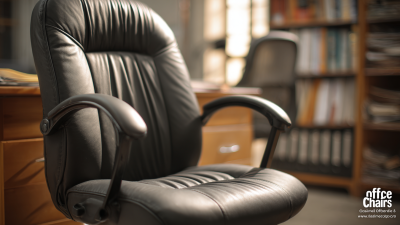
In today’s busy work world, you really can’t underestimate how important comfort and support are. With the lines between working from home and the office getting blurrier all the time, having a good ergonomic office chair isn’t just a luxury—it’s pretty much essential if you want to stay productive. Dr. Jane Smith, who’s a leading expert in ergonomics at Ergonomic Innovations, says, “A well-designed office chair doesn’t just support your body; it also helps clear your mind and keeps you focused.” That really highlights just how big of a role your office chair plays in your daily work routine.
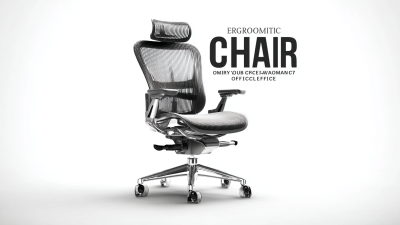
When you’re setting up your workspace, don’t forget to think about how your chair impacts your health and productivity. Sitting in a bad chair can cause discomfort and make it harder to concentrate, which can drag down your performance. On the other hand, an Ergonomic Chair that supports good posture can help you stay focused longer and get more done. Picking a chair that fits your body and your work style can totally change how you experience your workday. It can boost your mood and help you be more productive.
Honestly, in the talk about workplace health and wellness, the right office chair really isn’t just a nice-to-have—it’s a must-have. Most employees say that discomfort from their chairs messes with their work, and those who choose ergonomic options tend to do better overall. As work continues to evolve, making sure you have a good chair is more important than ever for creating a healthier, more efficient work environment.
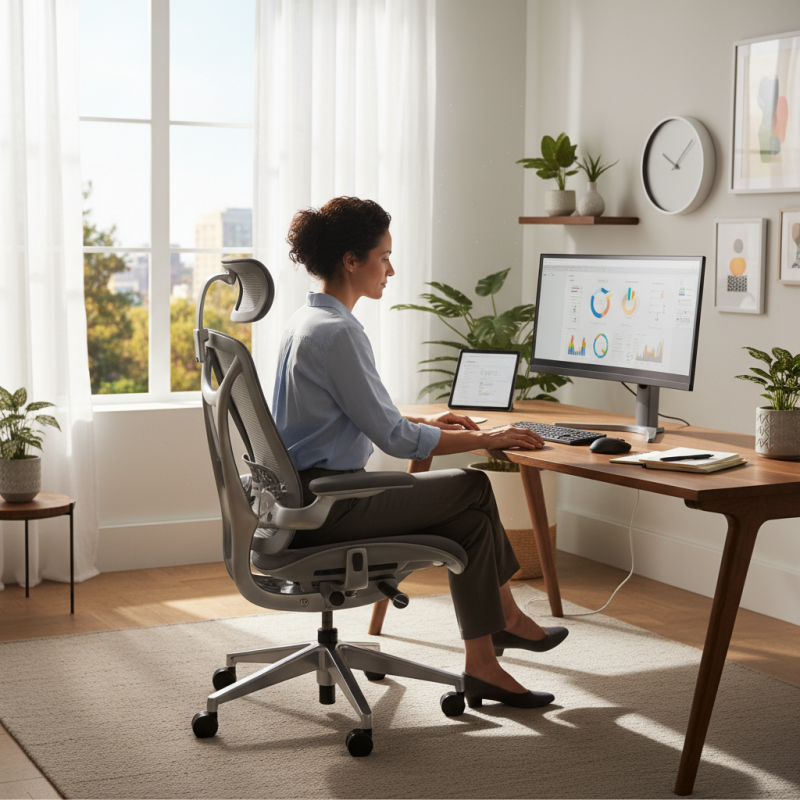
Ergonomics plays a crucial role in workplace productivity, as it focuses on designing workspaces and tools that fit the human body’s natural movements. Research by the Occupational Safety and Health Administration (OSHA) indicates that proper ergonomic practices can reduce workplace injuries by up to 40%, leading to not only a healthier workforce but also significant cost savings for employers. Moreover, a study published in the Journal of Safety Research found that ergonomic interventions can lead to a 25% increase in productivity, as employees experience less fatigue and discomfort while working.
The importance of ergonomics extends beyond just physical health; it also impacts mental well-being. The American Psychological Association states that a well-designed workspace can decrease stress levels and improve overall job satisfaction. In an environment that promotes comfort and ease of movement, employees are more likely to stay focused and less prone to distractions. Additionally, a report from the International Journal of Workplace Health Management highlights that companies investing in ergonomic solutions see a 28% decrease in employee turnover rates, illustrating a clear link between ergonomic investment and employee retention. Implementing ergonomic office designs, such as Adjustable Chairs and desks, is not just an investment in furniture; it’s a pivotal move towards fostering a more engaged and productive workforce.
Investing in ergonomic Office Chairs significantly enhances worker productivity by addressing various factors such as comfort, back pain reduction, focus improvement, job satisfaction, and absenteeism rates. The chart above illustrates the percentage impact these factors have on overall productivity.
Investing in an ergonomic office chair can significantly enhance employee productivity. Research has shown that there is a strong correlation between the comfort of a workspace and the effectiveness of its users. An ergonomic chair is designed to support the natural curve of the spine, reduce strain on muscles, and encourage better posture. When employees feel comfortable in their seating, they are less likely to experience fatigue or discomfort, allowing them to focus more intently on their tasks.
Tips: When selecting an ergonomic chair, look for features such as adjustable seat height, lumbar support, and breathable materials. These elements can contribute to a more favorable work environment. Additionally, consider integrating regular breaks and stretching exercises into the workday, as this can further alleviate physical stress and promote overall well-being.
Moreover, the impact of ergonomic chairs extends beyond physical comfort; they can also influence mental clarity. A well-designed chair enables employees to maintain their concentration and work more efficiently, as they are less distracted by discomfort. By prioritizing ergonomics in the workplace, companies can foster a culture of productivity and health, ultimately leading to improved performance and job satisfaction.
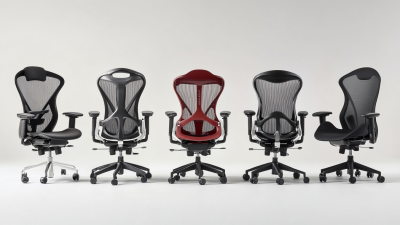
Investing in an ergonomic office chair is crucial for enhancing productivity, particularly as many professionals spend significant hours seated each day. When selecting an ergonomic chair, there are several key features to consider. Firstly, adjustability is paramount; an ergonomic chair should allow users to modify the height, armrests, and back support to suit their individual body dimensions. According to a study published in the Journal of Ergonomics, proper adjustment of seating can lead to a 25% increase in workplace productivity.
Another vital aspect is lumbar support, which helps maintain the natural curve of the spine. A chair with sufficient lumbar support can reduce the risks of back pain and discomfort. Research indicates that 80% of individuals experience back pain at some point in their lives, emphasizing the importance of supportive seating. Additionally, ensuring that the chair promotes good posture is essential, as poor posture can lead to long-term health issues and decreased focus.
Tips: When testing an ergonomic chair, make sure to sit in it for an extended period to evaluate comfort. It's also beneficial to look for materials that promote breathability to reduce discomfort from prolonged sitting. Lastly, consider the chair's mobility; a chair that moves easily can prevent strain from reaching for objects on your desk, thereby promoting a more productive work environment.
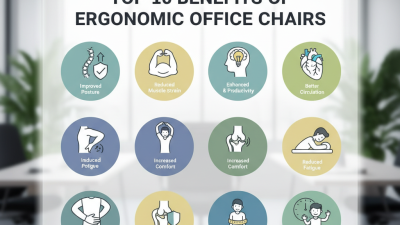
The health benefits of using an ergonomic office chair are increasingly recognized as essential for enhancing workplace productivity. Research conducted by the American Chiropractic Association reveals that nearly 80% of Americans experience back pain at some point in their lives, often exacerbated by prolonged sitting in poorly designed chairs. An ergonomic office chair is designed to support the natural curve of the spine, promoting better posture and reducing stress on the lumbar region. This not only decreases the risk of chronic pain but can also improve overall physical health and well-being.
Moreover, a study published in the Journal of Occupational and Environmental Medicine found that employees using ergonomic office chairs reported a 30% decrease in discomfort and pain after just one week of use. The improved comfort levels translate into increased focus and efficiency, as employees are less distracted by physical discomfort. Additionally, ergonomic chairs can encourage movement and encourage users to shift positions, which has been shown to enhance circulation and reduce fatigue. Incorporating an ergonomic office chair into your workspace can thus lead to significant health improvements and a more productive working environment.
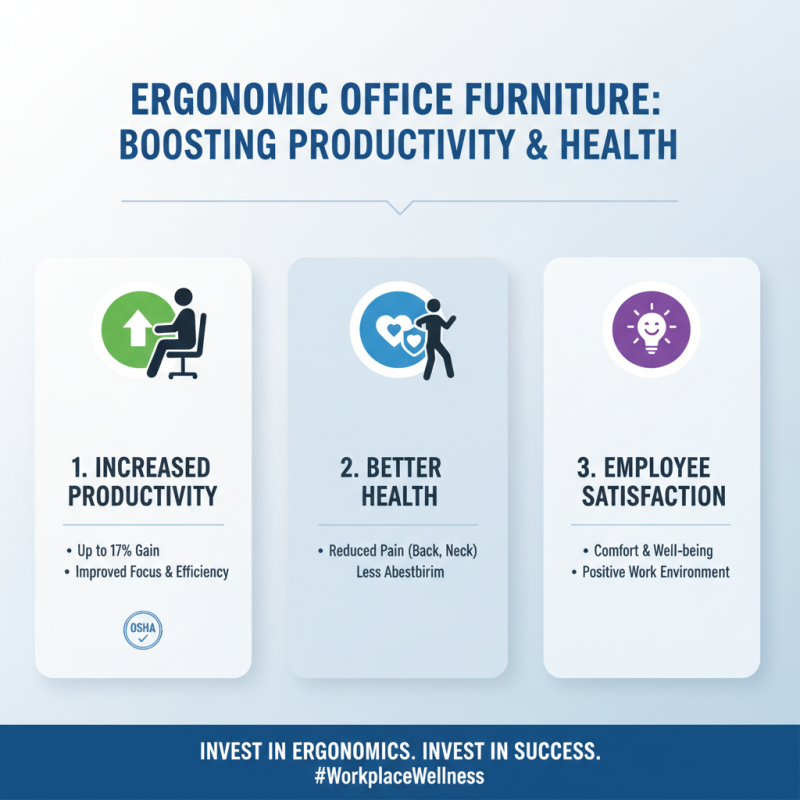
Investing in ergonomic Office Furniture offers significant long-term benefits, both in productivity and health. According to a report from the Occupational Safety and Health Administration (OSHA), poor seating can lead to decreased work efficiency and increased absenteeism due to health issues. Studies show that organizations that invest in ergonomic chairs can see a productivity increase of up to 17%, translating to substantial gains in overall output and employee satisfaction.
From a cost perspective, investing in an ergonomic office chair may seem high upfront, but the returns justify the expense. A study by the Cornell University Ergonomics Web site found that ergonomic improvements could reduce costs related to workplace injuries by 30-40%. Additionally, the reduction in medical claims and increased productivity often cover the initial investment within a year. Opting for quality ergonomic furniture not only enhances comfort but also promotes better posture, reducing the financial impact of health-related issues on businesses.
Tips: When choosing an ergonomic chair, look for adjustable features such as seat height, lumbar support, and armrest positioning to ensure a custom fit. Remember, prioritizing comfort is critical for sustaining focus and energy levels during long work hours. Additionally, consider scheduling regular breaks to stand and stretch, complementing your investment in ergonomic seating with healthy work habits.
When choosing the right ergonomic chair for your work environment, it's essential to consider factors that enhance comfort and productivity. According to a study published by the Occupational Health Psychology journal, employees who use ergonomic chairs report a 20% increase in overall productivity due to reduced fatigue and discomfort. In a typical office setting, up to 80% of workers experience some form of back pain, often attributable to poorly designed seating. Selecting an adjustable chair that provides adequate lumbar support can significantly alleviate these issues, leading to a healthier workplace.
Tip: Always test chairs before purchasing. Ensure that the seat height allows your feet to rest flat on the floor and that armrests are at a comfortable height. A chair with adjustable features can cater to various body types, promoting individual comfort.
Another crucial factor is the material and cushioning of the chair. A report from the Human Factors and Ergonomics Society highlights that breathable materials help regulate temperature and enhance air circulation, preventing discomfort during long hours of sitting. Additionally, chairs with memory foam cushioning provide support tailored to your body, improving your focus and engagement during work hours.
Tip: Look for chairs with a warranty or trial period. This allows you to determine if the chair meets your ergonomic needs over time, ensuring that your investment contributes to long-term productivity gains.
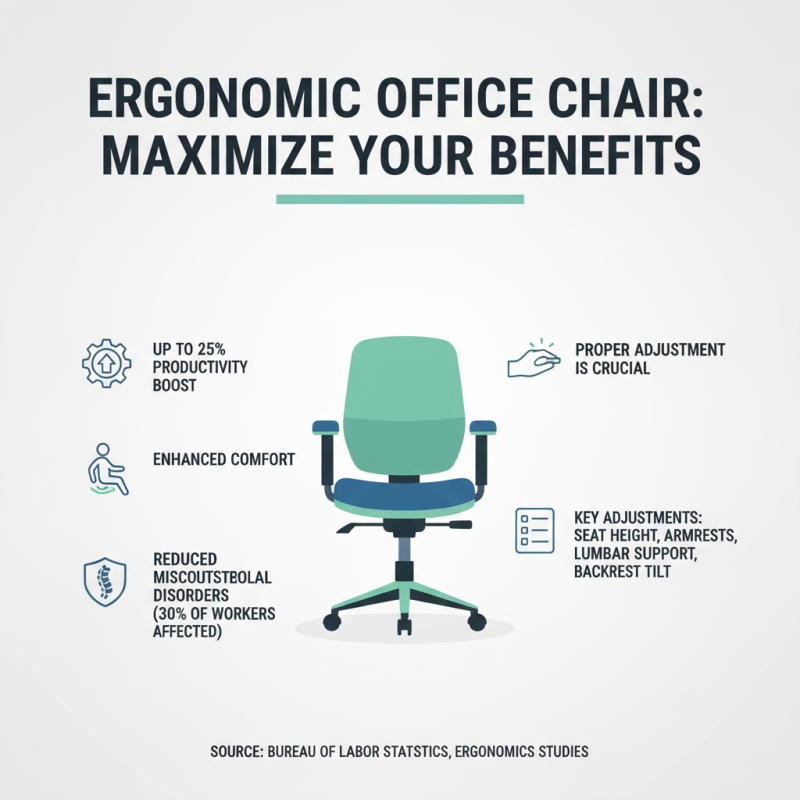
When investing in an ergonomic office chair, understanding how to properly adjust it is crucial for maximizing its benefits. Studies indicate that employees who work in ergonomically optimized environments can experience a productivity increase of up to 25%. Proper adjustments not only enhance comfort but also reduce the risk of musculoskeletal disorders, which affect approximately 30% of the working population, according to the Bureau of Labor Statistics.
To achieve optimal posture, begin by adjusting the chair height so that your feet rest flat on the floor with your knees at or slightly below hip level. The seat depth should allow you to sit back against the backrest while leaving 2-4 inches between the back of your knees and the seat. Furthermore, ensure the lumbar support aligns with your lower back to encourage a natural spine curve. The armrests should be set at a height that allows your shoulders to relax, keeping your elbows close to your body, which minimizes strain during extended periods of typing or using a mouse. These adjustments not only enhance comfort but can also lead to improved focus and efficiency throughout your workday.
In the modern workspace, aesthetics and durability play crucial roles in enhancing productivity and exhibiting professionalism. Baked enamel office furniture has emerged as a popular choice among designers and businesses alike, primarily due to its robust construction and aesthetic appeal. The metallic lacquer finish not only adds a touch of elegance but also promotes a sense of high status within the office environment. This harmonious blend of form and function is essential in conveying the values and objectives of contemporary organizations.
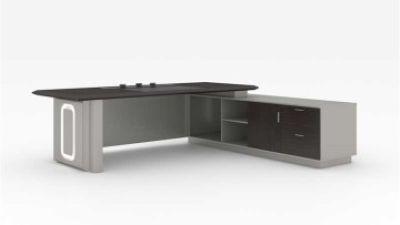
One notable example of this trend is the spacious metallic lacquered desk, which measures 2200x800x750 mm. This desk is designed specifically for executive functions, fostering an environment conducive to both productivity and collaboration. Its versatile design allows it to serve multiple purposes, from standard writing to accommodating business discussions, while seamlessly integrating power outlets and networking capabilities. The baked enamel finish boasts enhanced durability, resisting scratches, peeling, and fading, ultimately ensuring that the desk retains its pristine appearance over time. This combination of aesthetic charm and practical resilience makes baked enamel furniture an invaluable asset in any Modern Office setting.
: Ergonomics focuses on designing workspaces and tools that align with the body's natural movements, significantly reducing workplace injuries and improving productivity. Proper ergonomic practices can lead to healthier employees and cost savings for employers.
Ergonomic interventions can increase productivity by up to 25% as they reduce fatigue and discomfort, allowing employees to work more effectively and stay focused.
A well-designed workspace can decrease stress levels and enhance job satisfaction, promoting comfort and reducing distractions for employees.
When choosing an ergonomic chair, consider adjustable height, adequate lumbar support, breathable materials, and sufficient cushioning to promote comfort and reduce the risk of discomfort during long hours of sitting.
To adjust your ergonomic chair, set the height so your feet rest flat on the floor and knees are slightly below hip level. Ensure the seat depth allows you to sit back against the backrest and that lumbar support aligns with your lower back.
Testing chairs ensures that the seat height, depth, and armrest positioning suit your body type, providing individual comfort and support, which is crucial for long-term productivity benefits.
Look for breathable materials that regulate temperature and enhance air circulation, as well as memory foam cushioning that molds to your body for added support during extended periods of sitting.
Companies that invest in ergonomic solutions may experience a 28% decrease in employee turnover rates, indicating a strong connection between ergonomic investment and employee retention.
Investing in an ergonomic office chair is essential for enhancing productivity and promoting health in the workplace. Ergonomics focuses on designing workspaces that support employee well-being, which is crucial for maintaining high levels of performance. Studies have shown a positive correlation between the use of ergonomic chairs and improved employee productivity, as these chairs are designed to support proper posture and reduce discomfort during long hours of sitting.
Key features to look for in an ergonomic office chair include adjustable seat height, lumbar support, and a comfortable seat depth. Utilizing such chairs can also lead to significant health benefits, such as reduced back pain and improved circulation. Conducting a cost-benefit analysis reveals that the investment in ergonomic furniture can result in overall savings, thanks to decreased absenteeism and enhanced employee satisfaction. Finally, selecting the right ergonomic chair for your specific work environment and learning how to adjust it properly are crucial steps in maximizing the benefits these chairs offer.